
Your kitchen appliances work hard every day, but how do you know when they’re ready to be replaced? Ignoring the signs of worn-out appliances can lead to bigger problems, higher energy bills, and even safety risks.
You’ll discover simple ways to spot when your fridge, oven, dishwasher, or other appliances are past their prime. By knowing what to look for, you can save money, avoid frustration, and keep your kitchen running smoothly. Keep reading to find out exactly when it’s time to say goodbye to your old kitchen appliances.
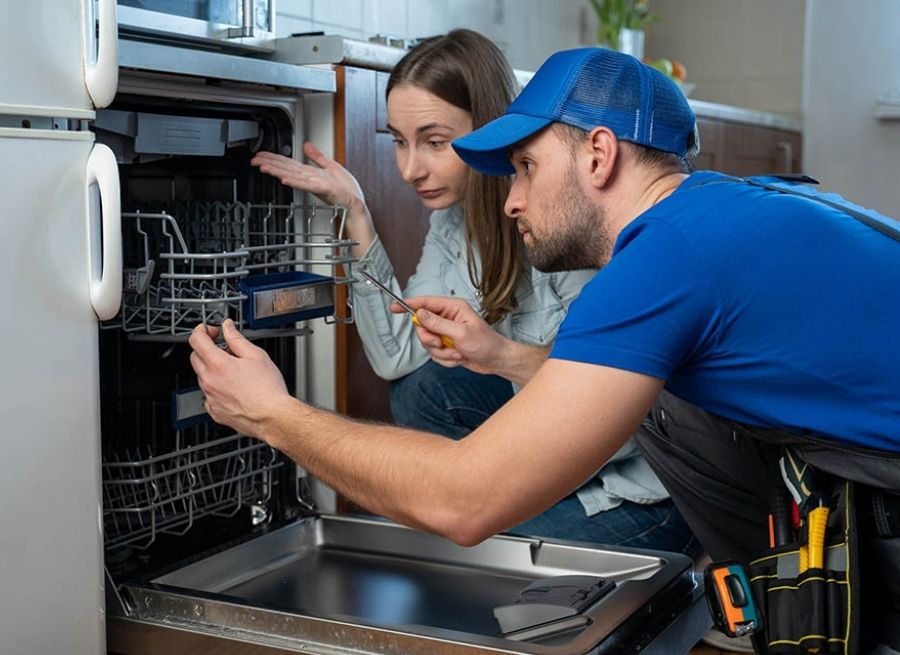
Signs Appliances Are Failing
Kitchen appliances do not last forever. Over time, signs appear that show an appliance is failing. Spotting these signs early can save money and prevent kitchen mishaps. Knowing what to watch for helps decide when to replace an appliance.
Unusual Noises And Vibrations
Strange sounds often mean an appliance is breaking down. Loud humming, grinding, or rattling noises are not normal. These sounds may come from worn parts or loose components. Vibrations that feel stronger than usual can also signal trouble. Ignoring these noises can lead to bigger problems.
Frequent Breakdowns
Appliances that need repairs often are failing. Constant breakdowns cost more in repairs than a new appliance. If fixing the same issue repeats, replacement is a better choice. Frequent service calls interrupt daily routines and cause frustration.
Inconsistent Performance
When an appliance works irregularly, it may be time to replace it. For example, a refrigerator that does not keep food cold enough or an oven that heats unevenly shows poor performance. Inconsistent results waste energy and food. Reliable operation is key for kitchen appliances.
Assessing Appliance Age
Knowing the age of your kitchen appliances helps decide if it is time to replace them. Appliances do not last forever. Over time, they lose power and use more energy. Assessing how old they are can save money and avoid sudden breakdowns.
Average Lifespan Of Common Appliances
Most kitchen appliances have a typical life range. Refrigerators usually last about 10 to 15 years. Dishwashers work well for 9 to 12 years. Ovens and stoves often serve 13 to 15 years. Microwaves tend to last 7 to 10 years. Knowing these averages helps spot when an appliance is near the end of its life.
When Age Affects Efficiency
Older appliances often use more electricity and water. This raises utility bills over time. Parts may start to break or wear out. Repairs can become frequent and costly. Efficiency drops, and performance slows. This means longer cooking times or poor cleaning. Watching for these signs can hint that replacement is needed soon.
Energy Efficiency Considerations
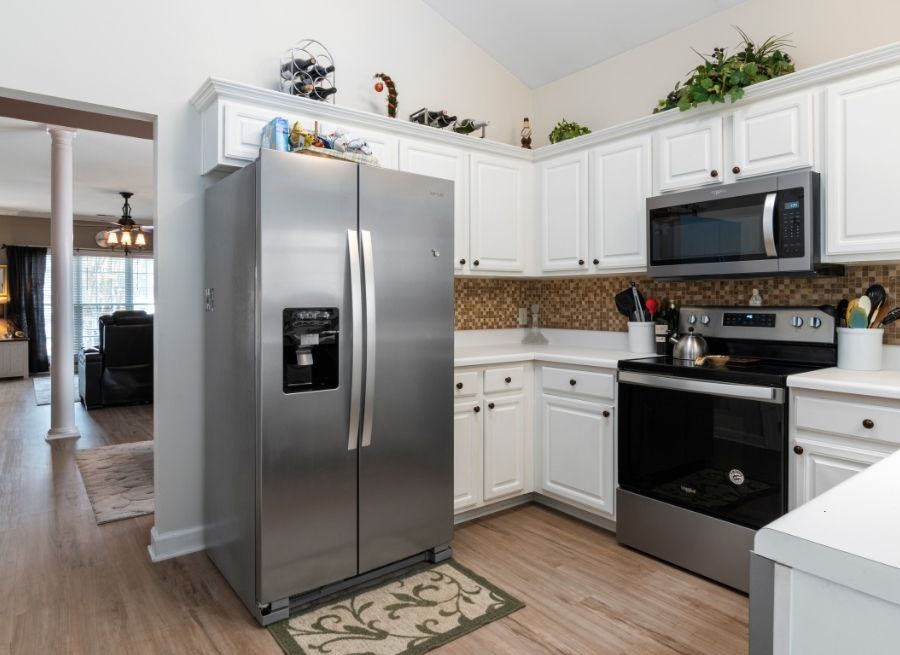
Energy efficiency plays a big role in deciding when to replace kitchen appliances. Old or broken appliances often use more electricity. This can lead to higher utility bills and unnecessary waste of energy. Understanding energy efficiency helps save money and protect the environment.
Knowing the signs of inefficient appliances can guide your decision. Appliances with poor energy use may run longer and cost more to operate. Replacing them with newer models can cut costs and reduce your carbon footprint.
Rising Energy Bills
One clear sign of inefficient appliances is rising energy bills. If your utility costs increase without using more devices, your appliances might be the cause. Older machines consume more power to perform the same tasks.
Look for sudden jumps in your energy bill. This often points to worn-out appliances working harder than necessary. Fixing or replacing these can bring your bills back down.
Benefits Of Upgrading To Energy Star Models
Energy Star models use less energy than standard appliances. They meet strict government standards for efficiency. Upgrading to these appliances lowers electricity use and reduces bills.
These models often last longer and perform better. They help save money over time. Plus, they support efforts to reduce harmful emissions.
Cost Of Repairs Vs. Replacement
Deciding whether to repair or replace a kitchen appliance depends on costs. Repairing can be cheaper short term, but may not save money later. Appliances age and break more often. Repair costs can add up quickly. Replacement might be the better choice for your budget and home.
Calculating Repair Expenses
Start by getting a repair estimate from a trusted technician. Include parts and labor in the total cost. Compare this amount to the appliance’s current value. Check if the appliance is still under warranty. Warranties often cover certain repairs for free. Consider how many repairs the appliance had before.
Think about the appliance’s age. Older models break more often and use more energy. High repair costs on old appliances may not be worth it. Small fixes add up to a big expense over time. A one-time repair might not fix all issues.
When Replacement Saves Money Long Term
Replacing may cost more upfront but save money later. New appliances use less energy, lowering utility bills. Modern models have better features and last longer. Repairs on old appliances often come back soon. Frequent repairs mean more hassle and costs.
Consider the appliance’s efficiency rating. Energy-efficient models reduce power consumption. Look for rebates or discounts on new appliances. These can lower the purchase price. Calculate potential savings on energy bills over years. Replacement can be an investment in your home and wallet.
Impact On Kitchen Functionality
The impact of old or failing kitchen appliances goes beyond mere inconvenience. It affects how smoothly your kitchen works every day. Appliances that break down often slow down meal preparation and cleanup. This can lead to frustration and wasted time in a space meant for efficiency.
Understanding this impact helps you decide when to replace appliances. It keeps your kitchen running well and supports your daily routines. A functional kitchen means less stress and more enjoyment while cooking or hosting.
Appliance Downtime And Inconvenience
Broken appliances cause downtime that disrupts your kitchen flow. Imagine your oven not heating or your fridge losing cold air. You face delays, spoiled food, or limited cooking options. Temporary fixes may only last a short time, increasing frustration.
Frequent repairs also add up in cost and time. Each breakdown interrupts your schedule and reduces kitchen productivity. Replacing appliances before frequent failures start can prevent these issues. It keeps your kitchen ready to use at all times.
Matching New Appliances To Kitchen Design
New appliances should fit well with your kitchen’s style and layout. Size, color, and finish all affect the room’s look. Appliances that clash can make your kitchen feel cluttered or outdated. Choosing the right design helps maintain a pleasant, cohesive space.
Consider how your new appliance will blend with cabinets, countertops, and lighting. Modern designs often offer better energy efficiency and features too. Picking appliances that match your kitchen boosts both function and visual appeal.
Environmental Factors
Environmental factors play a key role in deciding when to replace kitchen appliances. Old or broken appliances can harm the planet if not handled properly. Choosing the right time to replace them helps reduce waste and energy use. It also supports a healthier environment for future generations.
Reducing Waste Through Responsible Disposal
Throwing away appliances carelessly adds to landfill problems. Many parts can be recycled or reused. Find local recycling centers that accept old kitchen appliances. Proper disposal keeps harmful chemicals from polluting soil and water. It also saves materials that can make new products. Responsible disposal lowers the environmental footprint of appliance replacement.
Choosing Eco-friendly Appliances
New appliances often use less energy and water. Look for models with Energy Star labels or similar certifications. Eco-friendly appliances reduce utility bills and conserve resources. They also produce fewer greenhouse gases. Selecting green appliances supports a cleaner environment. Small changes in appliance choices add up to big benefits for the planet.
Frequently Asked Questions
How Do I Know If My Kitchen Appliance Needs Replacing?
Look for frequent breakdowns, poor performance, and rising energy bills. If repairs cost more than half the appliance’s value, replacement is wise.
When Is The Best Time To Replace Kitchen Appliances?
Replace appliances when they show signs of wear or inefficiency. Also, consider upgrading during sales or when new energy-efficient models arrive.
Can Old Kitchen Appliances Affect My Energy Bills?
Yes, older appliances often use more energy. Replacing them with energy-efficient models can significantly reduce electricity costs.
What Are The Signs Of A Failing Kitchen Refrigerator?
Common signs include inconsistent temperatures, strange noises, and leaking water. These indicate it’s time for repair or replacement.
Conclusion
Knowing when to replace kitchen appliances saves time and money. Pay attention to strange noises, poor performance, or rising energy bills. Old appliances may cause safety risks or higher costs. Regular checks help spot issues early. Choosing the right time avoids sudden breakdowns.
Trust your senses and use these tips to decide. Keeping your kitchen efficient makes daily life easier. Replace appliances thoughtfully for a smooth cooking experience.

Rachel Bennett is a passionate home cook, kitchen enthusiast, and the voice behind Home Kitchen Mate. With years of hands-on experience experimenting in the kitchen, she blends creativity and practicality to make cooking easier and more enjoyable for everyone.