Choosing the right kitchen knife can change the way you cook forever. Imagine slicing through vegetables, meat, and bread with ease and precision.
The right knife feels like an extension of your hand, making every cut smooth and effortless. But with so many options out there, how do you know which one is best for you? This guide will help you find the perfect kitchen knife that fits your style, needs, and budget.
Keep reading, and soon you’ll be cutting like a pro in your own kitchen.
Credit: japan-knifeshop.com
Types Of Kitchen Knives
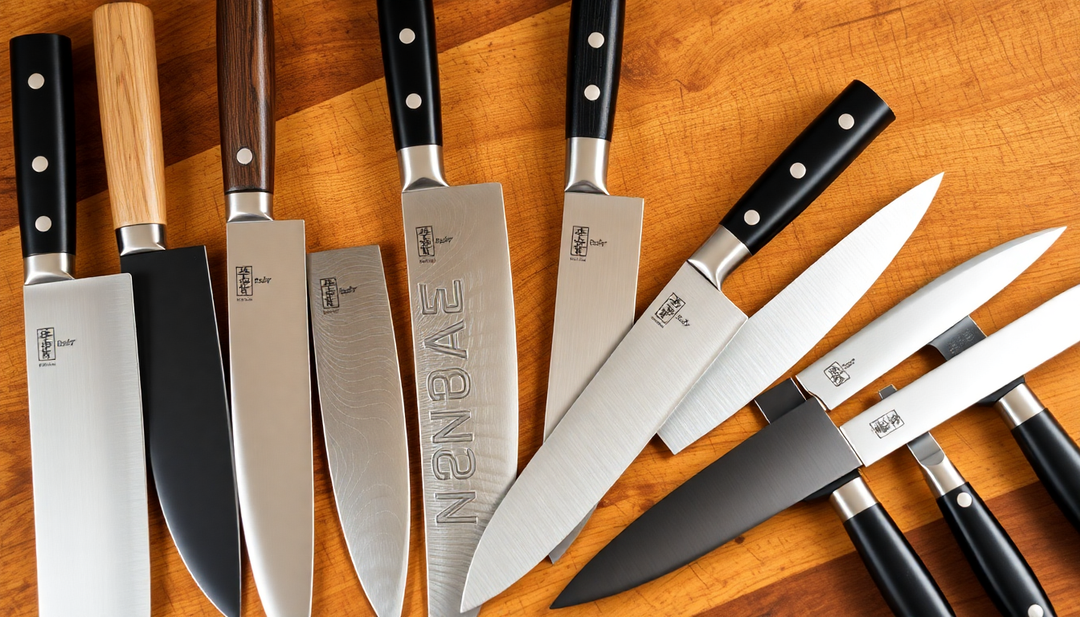
Kitchen knives come in many shapes and sizes. Each type has a unique job. Knowing the right knife helps you cook faster and safer. This section explains common kitchen knives you should know.
Chef’s Knife
The chef’s knife is the most versatile. It has a broad, sharp blade. It chops, slices, and dices vegetables and meat. A good chef’s knife feels balanced in your hand. It is usually 8 to 10 inches long.
Paring Knife
The paring knife is small and sharp. It works well for peeling fruits and vegetables. It also helps with delicate tasks like cutting small pieces. Its blade is about 3 to 4 inches. Easy to control for precise cuts.
Bread Knife
The bread knife has a long, serrated blade. It cuts through bread without squashing it. The saw-like edge handles crusts and soft insides. It can also slice cakes and tomatoes. Usually 8 to 10 inches in length.
Utility Knife
The utility knife is a medium-sized all-rounder. It is smaller than a chef’s knife but bigger than a paring knife. It cuts sandwiches, fruits, and vegetables. Great for tasks that need more control. Usually measures 4 to 7 inches.
Credit: oishya.com
Materials And Construction
The materials and construction of a kitchen knife shape its performance and durability. Understanding these aspects helps pick a knife that suits your cooking style. Quality materials mean better sharpness and longer use. Construction affects balance and comfort during cutting tasks.
Blade Materials
Blade material affects sharpness, strength, and rust resistance. Common blade materials include:
- Stainless Steel:Resists rust and stains. Easy to maintain but may dull faster.
- High-Carbon Steel:Holds a sharp edge longer. Prone to rust if not cared for.
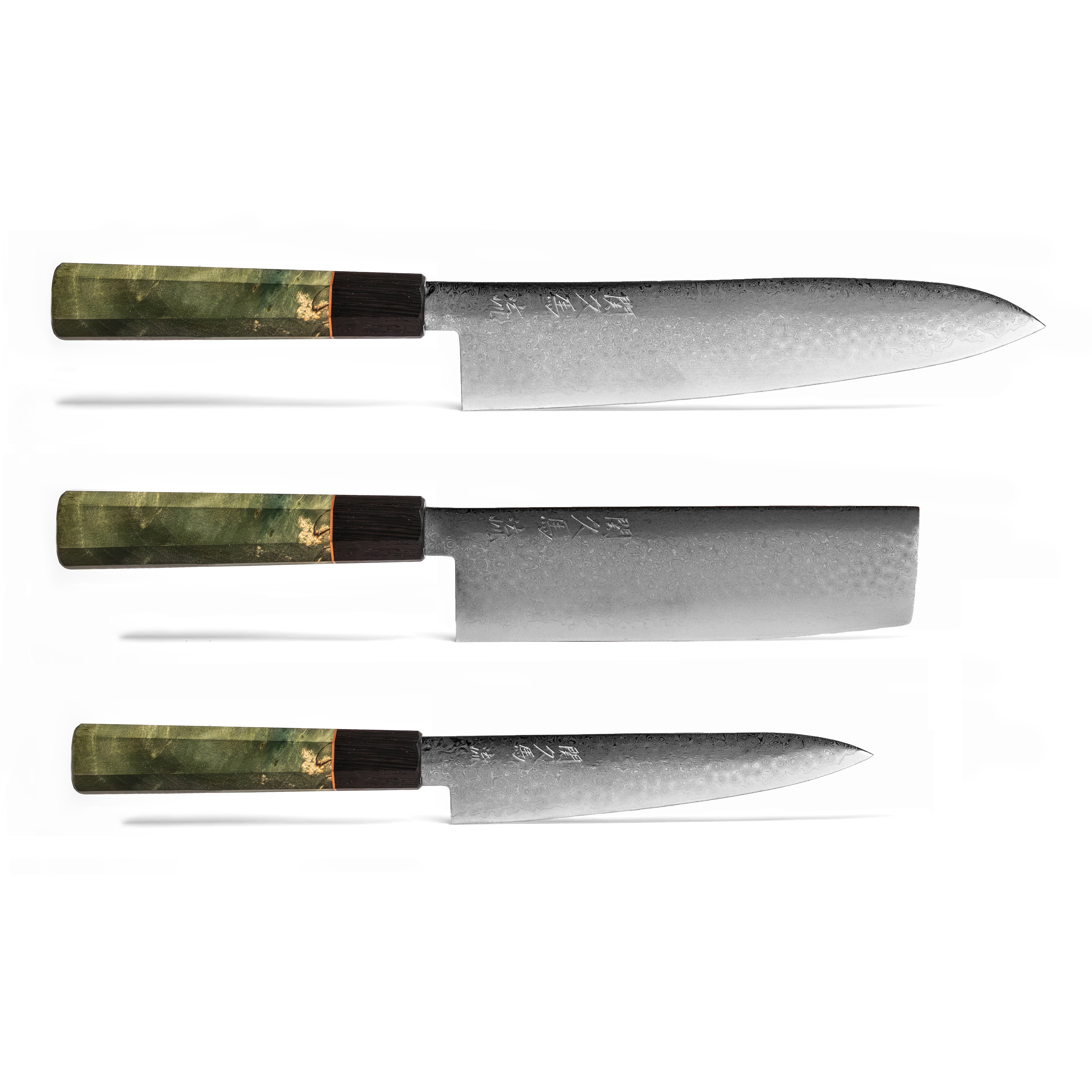
- Damascus Steel:Made by layering metals. Combines beauty and strength.
- Ceramic:Very sharp and lightweight. Brittle and can chip easily.
Choose a blade material that fits your cooking needs and care routine.
Handle Materials
Handle material impacts grip, comfort, and hygiene. Popular handle materials include:
- Wood:Comfortable and natural. Needs regular oiling to avoid drying out.
- Plastic:Affordable and easy to clean. May feel less sturdy.
- Composite:Combines wood and resin. Durable and water-resistant.
- Metal:Sleek and durable. Can be slippery if wet.
Select a handle material that feels secure in your hand.
Full Tang Vs Partial Tang
The tang is the metal part of the blade that extends into the handle. It affects knife strength and balance.
- Full Tang:Metal runs the full length of the handle. Offers better balance and durability.
- Partial Tang:Metal extends only partway into the handle. Usually lighter and less expensive.
Full tang knives often last longer and provide better control.
Selecting The Perfect Knife
Choosing the perfect kitchen knife shapes your cooking experience. The right knife feels natural in your hand. It cuts smoothly and safely. Understanding key factors helps you pick a knife that fits your style and needs.
Blade Size And Shape
Blade size affects control and precision. Small blades suit peeling and trimming. Larger blades handle chopping and slicing. Shape matters for specific tasks:
- Chef’s knives have a curved edge for rocking cuts.
- Utility knives are straight and versatile.
- Paring knives are short and pointed for detail work.
Choose a blade size and shape that matches your cooking tasks.
Weight And Balance
Weight influences comfort and fatigue. Heavy knives give power but tire hands fast. Light knives offer speed but less force. Balance means the knife feels steady:
- A balanced knife has weight evenly spread between blade and handle.
- It improves control and reduces strain.
Hold knives to sense their weight and balance before buying.
Maintenance And Durability
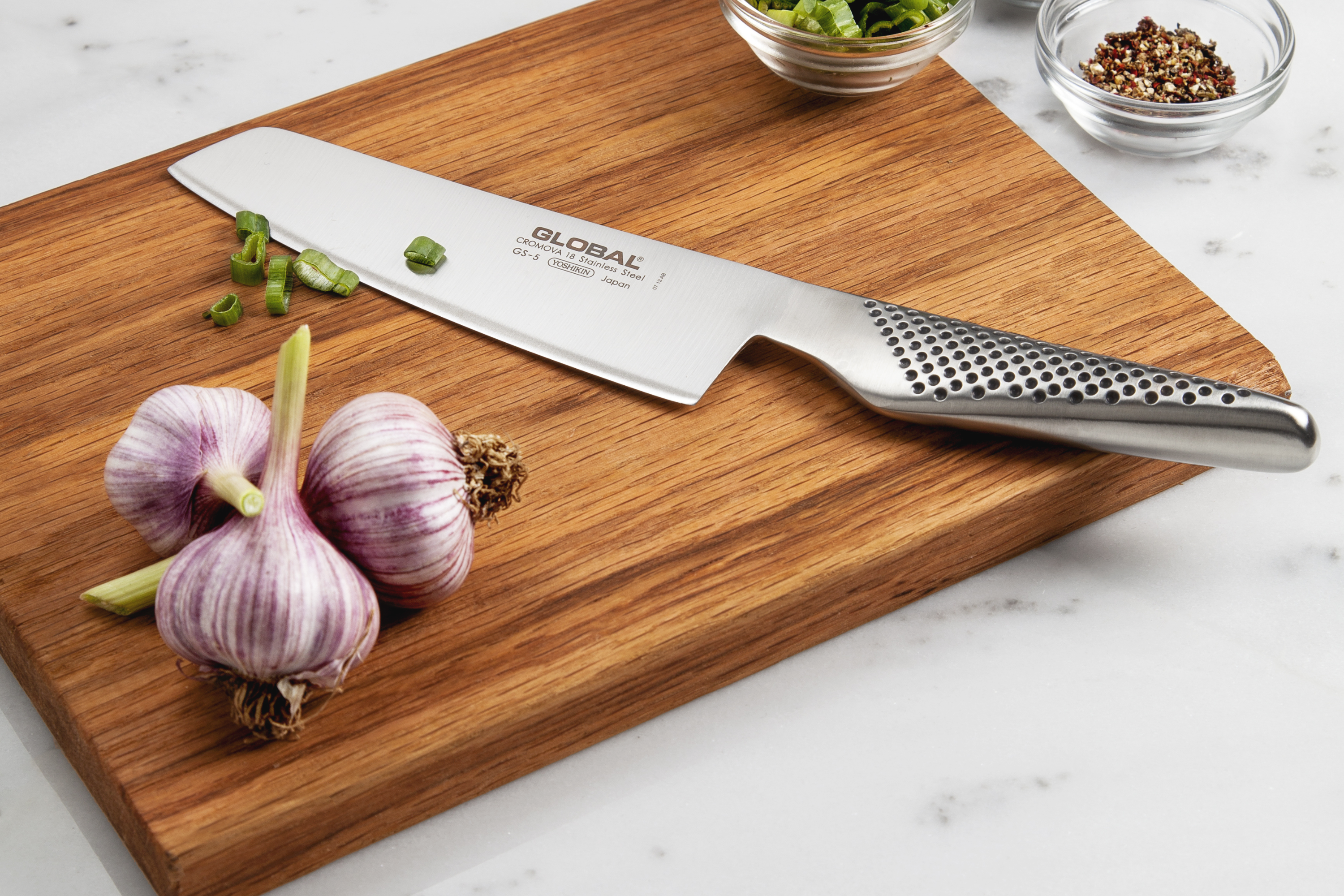
Durable knives last longer and keep sharp edges. Stainless steel resists rust and stains. High-carbon steel holds sharpness but needs care. Consider ease of sharpening:
- Some knives sharpen easily at home.
- Others require professional tools.
Choose knives that fit your maintenance routine and kitchen environment.
Credit: www.globalcutleryusa.com
Frequently Asked Questions
What Type Of Kitchen Knife Should Beginners Choose?
Start with a chef’s knife. It is versatile and easy to handle for most tasks.
How To Know When A Kitchen Knife Needs Sharpening?
If the knife slips or tears food instead of cutting cleanly, it needs sharpening.
What Is The Best Knife Material For Durability?
High-carbon stainless steel offers strong, rust-resistant blades that stay sharp longer.
Can A Kitchen Knife Be Used For All Food Types?
No, use specific knives like paring or bread knives for better results.
How To Maintain A Kitchen Knife For Long Life?
Clean knives by hand, dry immediately, and store safely to keep edges sharp.
Conclusion
Choosing the right kitchen knife makes cooking easier and safer. Think about the knife’s size, weight, and handle comfort. A good knife fits your hand well and feels balanced. Sharp blades help you cut smoothly and save time. Remember to care for your knife by cleaning and storing it properly.
With the right choice, cooking becomes more enjoyable. Take your time to find the knife that suits your needs best. Happy cooking!

Rachel Bennett is a passionate home cook, kitchen enthusiast, and the voice behind Home Kitchen Mate. With years of hands-on experience experimenting in the kitchen, she blends creativity and practicality to make cooking easier and more enjoyable for everyone.