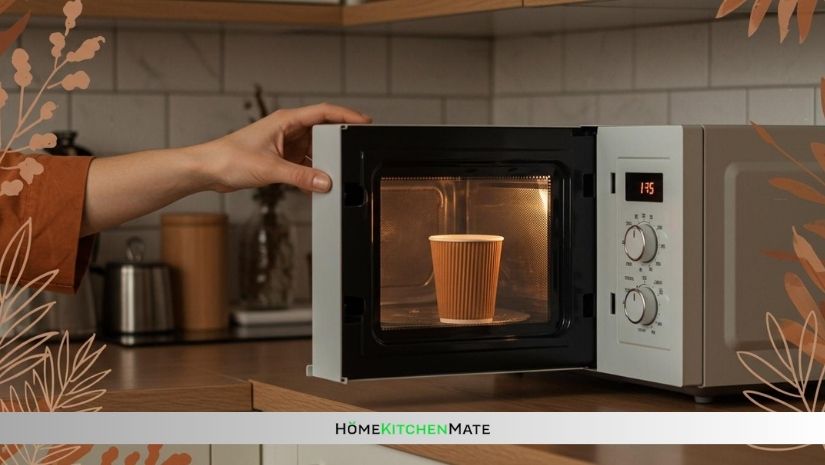
Have you ever grabbed a paper cup and wondered if it’s safe to heat your drink in the microwave? You might think it’s harmless, but the truth isn’t that simple.
Your microwave can turn a simple paper cup into a risky choice, affecting both your drink and your safety. Keep reading to find out what really happens when you microwave a paper cup—and what you should do instead to protect yourself and enjoy your beverage worry-free.
What Happens When Microwaving Paper Cups
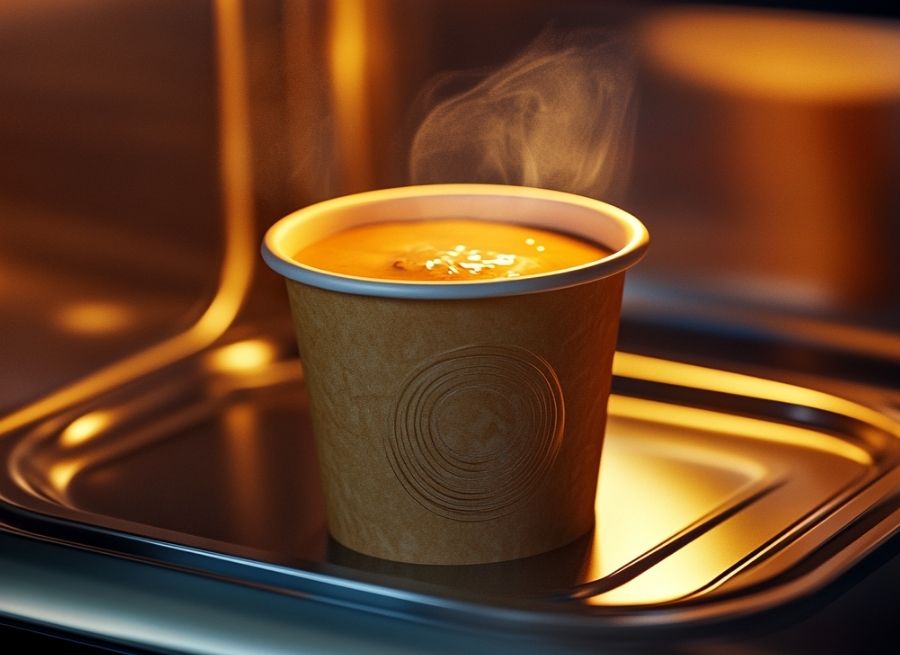
Microwaving a paper cup might seem harmless at first glance, but understanding what actually happens inside the microwave is important for your safety and the quality of your drink. Not all paper cups are created equal, and the materials inside can react differently to microwave heat. Let’s take a closer look at what’s really going on when you zap a paper cup in your microwave.
Materials Inside Paper Cups
Most paper cups you find at coffee shops or convenience stores aren’t just made of plain paper. They usually have a thin plastic lining, often polyethylene, to prevent liquids from soaking through the paper. Some cups also include wax coatings or other food-safe barriers.
This lining is key. While paper itself is microwave-safe, the plastic or wax layers might not handle microwave heat well. If the lining melts or breaks down, it can release chemicals into your drink. Have you ever noticed a weird taste after microwaving your coffee in a paper cup? That might be why.
How Microwaves Affect Paper Cups
Microwaves heat food by causing water molecules to vibrate, generating heat. Since paper cups mostly contain water-based liquids, the cup gets heated indirectly. However, the microwave can also cause the plastic lining to heat unevenly and even warp.
Sometimes, the cup might become soggy or lose its shape after microwaving. This can lead to leaks or spills, which are not only messy but also dangerous if the liquid is hot. Have you ever had a cup collapse mid-microwave? It’s more common than you think.
Additionally, microwaving paper cups for too long can cause the paper to scorch or burn, especially if the cup is empty or nearly empty. This creates a fire hazard. So, if you’re in a rush, think twice before popping a paper cup in the microwave without checking the label or the cup’s condition.
Potential Risks Of Microwaving Paper Cups
Microwaving paper cups might seem like a quick and easy way to heat your drink, but it carries several risks you should consider. Paper cups are not designed to withstand microwave heat, and using them in this way can lead to unexpected problems. Understanding these risks helps you decide if it’s really worth the convenience.
Fire Hazards
Paper cups are made from thin paper layers that can easily catch fire when exposed to high heat. If your microwave heats the cup unevenly or for too long, the paper might start to burn.
Many paper cups also have a thin plastic lining. This lining can melt or ignite under microwave heat, increasing the chance of a fire.
Have you ever seen smoke or smelled burning when heating something in the microwave? That’s a clear sign the item isn’t microwave-safe, and paper cups fall into this risky category.
Chemical Leaching Concerns
Most paper cups contain a plastic coating to prevent leaks. When microwaved, this plastic can break down and release harmful chemicals into your drink.
Chemicals like BPA and other plasticizers can migrate from the cup lining into your beverage, especially if the cup gets very hot. These substances have been linked to health issues when consumed in large amounts.
Have you ever wondered what exactly you’re drinking when your coffee tastes a bit off after microwaving? Chemical leaching might be the hidden culprit.
Safe Alternatives For Heating Beverages
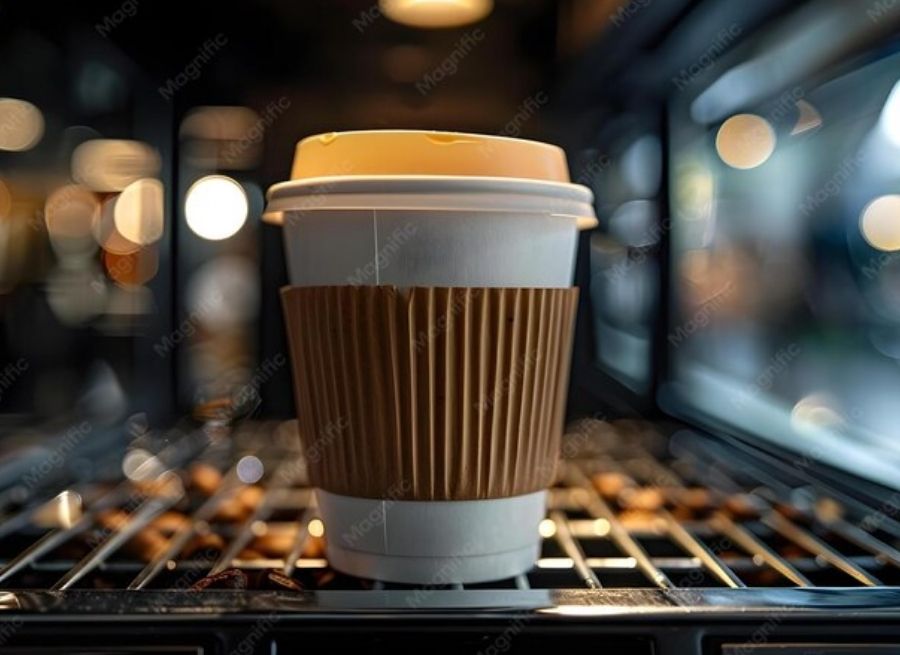
Heating beverages safely is important to avoid accidents or damage. Paper cups often contain coatings or adhesives that can melt or catch fire in microwaves. Choosing the right container protects your drink and your microwave.
Several alternatives work well for warming drinks without risk. These options help keep your beverage hot and safe to enjoy.
Microwave-safe Containers
Use containers labeled microwave-safe. These are tested to handle heat without melting or releasing harmful chemicals.
- Glass mugs or cups designed for microwaving
- Ceramic cups without metallic paint or decorations
- Microwave-safe plastic cups or containers
Avoid metal or foil-lined containers, as they cause sparks and damage.
Tips For Heating Drinks Safely
- Pour your drink into a microwave-safe container before heating
- Heat beverages in short intervals and stir in between
- Use a microwave cover to prevent spills and splashes
- Check the temperature carefully to avoid burns
- Never microwave sealed containers to prevent pressure buildup
Frequently Asked Questions
Can I Microwave A Paper Cup Safely?
Most paper cups are not microwave-safe and can catch fire or leak harmful chemicals.
Why Do Paper Cups Get Hot In The Microwave?
Paper cups absorb heat quickly and can become too hot to hold safely.
What Happens If I Microwave A Paper Cup With Plastic Lining?
Plastic lining may melt or release toxins when microwaved, posing health risks.
Are All Paper Cups Microwave-friendly?
No, only cups labeled microwave-safe should be used in microwaves.
Can Microwaving Paper Cups Cause A Fire?
Yes, dry paper cups can ignite in the microwave if overheated.
What Is A Safer Alternative To Microwaving Paper Cups?
Use microwave-safe ceramic or glass cups to heat liquids safely.
Conclusion
Microwaving a paper cup can be risky. Some cups have coatings that may melt or catch fire. Always check the cup’s label before heating. Use microwave-safe containers to avoid accidents. Better safe than sorry. Heating liquids in a proper microwave-safe mug is smarter.
This keeps your food safe and your microwave working well. Remember, safety first when using any kitchen appliance. Stay cautious and enjoy your warm drinks without worry.

Rachel Bennett is a passionate home cook, kitchen enthusiast, and the voice behind Home Kitchen Mate. With years of hands-on experience experimenting in the kitchen, she blends creativity and practicality to make cooking easier and more enjoyable for everyone.