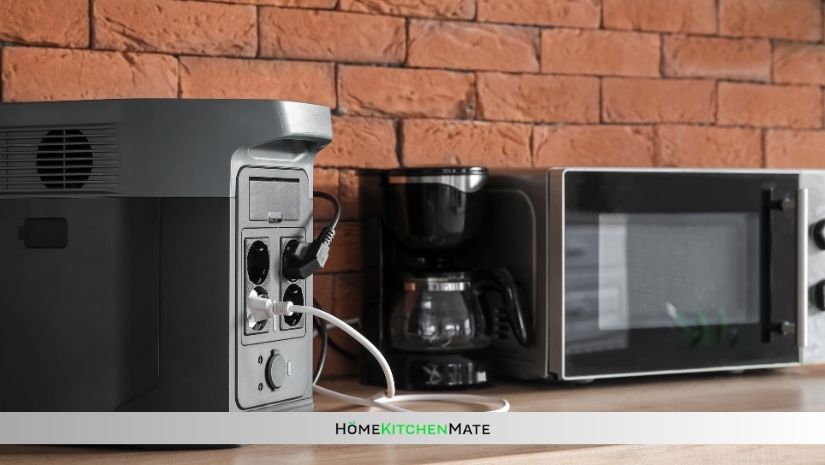
Have you ever wondered if it’s safe to plug your microwave into a power strip? It might seem like a simple solution when you don’t have enough wall outlets, but the answer could surprise you—and it could even protect your home and appliances.
Before you reach for that power strip, understanding the risks and best practices can save you from potential hazards like electrical fires or damage to your microwave. Keep reading to find out exactly what you need to know to keep your kitchen safe and your microwave running smoothly.
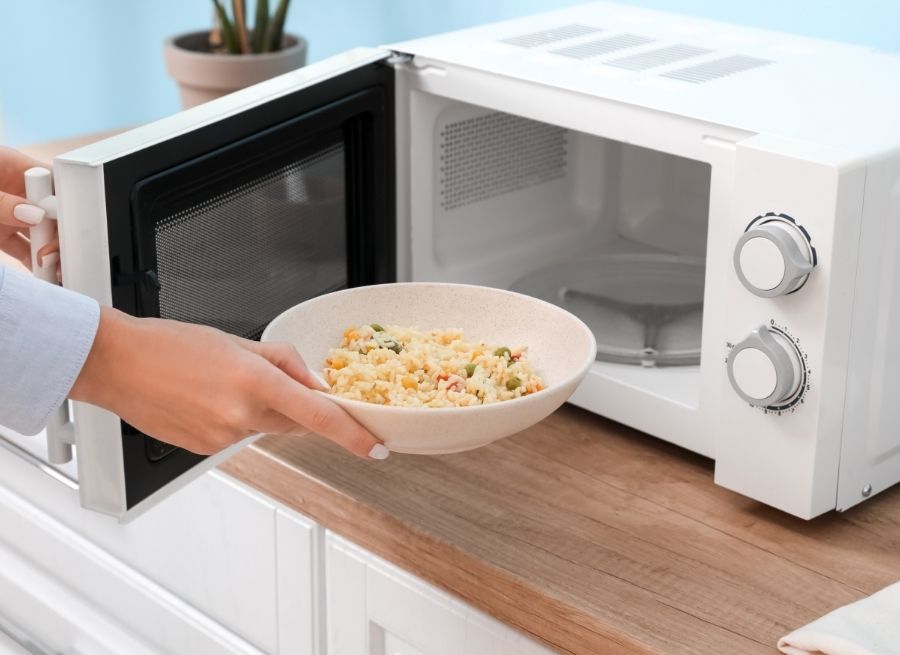
Microwave Power Needs
Microwaves need a lot of power to work correctly. Understanding their power needs helps keep your kitchen safe. It also ensures your microwave runs without issues. Knowing the wattage and current is important before plugging it in.
Typical Wattage And Current
Most microwaves use between 600 and 1200 watts. The wattage shows how much power the microwave uses. Higher wattage means the microwave cooks food faster.
Microwaves usually draw about 5 to 10 amps of current. This depends on the wattage and voltage of your home power supply. Standard home outlets provide 120 volts in many countries.
| Microwave Wattage | Approximate Current (Amps) |
|---|---|
| 600-800 Watts | 5-7 Amps |
| 900-1200 Watts | 7-10 Amps |
Why Power Requirements Matter
Power strips often cannot handle high currents. Using a microwave on a low-quality power strip risks overheating. This can cause damage or even fire hazards.
Microwaves need a dedicated outlet with enough power capacity. Overloading a power strip can trip circuit breakers. It may also shorten the microwave’s lifespan.
Checking power needs protects your appliance and your home. Always match the microwave’s current with the outlet’s rating. This simple step ensures safe and efficient operation.
Power Strips And Safety
Power strips are common in many homes and offices, offering extra outlets for multiple devices. But when it comes to high-powered appliances like microwaves, you need to understand how power strips handle electricity and what safety concerns arise. Knowing the limits and risks can help you avoid dangerous situations and keep your devices running smoothly.
Design Limits Of Power Strips
Power strips are designed mainly for low to moderate wattage devices like lamps, chargers, and computers. Most power strips can handle up to 1800 watts, but microwaves often draw between 800 to 1500 watts, sometimes more during startup.
This means plugging a microwave into a typical power strip might push it close to or beyond the strip’s limit. Many power strips lack the heavy-duty wiring and circuit breakers needed for high-power appliances. Always check the power rating printed on your power strip before plugging in a microwave.
Risks Of Overloading
Overloading a power strip can cause overheating, which increases the risk of electrical fires. I once plugged a coffee maker and microwave into the same strip, and it got so hot that I had to unplug everything immediately.
Besides fire hazards, overloading can also damage your microwave and other devices by causing voltage drops or short circuits. If you notice the power strip or plug feeling warm or smelling odd, stop using it right away.
- Use a dedicated outlet for your microwave whenever possible.
- If you must use a power strip, pick one rated for high wattage and with built-in surge protection.
- Regularly inspect your power strips for damage or wear.
Ask yourself: Is convenience worth risking your safety or damaging your appliances? Sometimes, the safest choice is the simplest—plug your microwave directly into a wall outlet.
Best Practices For Microwave Use
Using a microwave safely and efficiently requires following some important practices. Microwaves draw high power and need a stable electrical connection. Plugging them correctly avoids hazards and keeps your appliance working well. Proper use also protects your home’s electrical system from damage.
Recommended Plugging Options
Always plug your microwave directly into a wall outlet. Wall outlets provide the steady power microwaves need. Avoid using power strips or extension cords. These can overheat and cause fires. Make sure the outlet matches your microwave’s voltage and amperage. Keep the plug and outlet in good condition, free from damage or dust.
Alternative Solutions For Convenience
If you need more outlets, install additional wall sockets near your kitchen workspace. Use a qualified electrician for safe installation. Consider a heavy-duty power strip with built-in circuit breakers only if the manufacturer allows it. Keep the microwave and other high-power devices on separate outlets. Use cord organizers to prevent cords from tangling and creating hazards.
Frequently Asked Questions
Can A Microwave Safely Use A Power Strip?
Microwaves need high power. Most power strips can’t handle this safely.
Why Is A Microwave Not Recommended For Power Strips?
Microwaves draw a lot of electricity. Power strips may overheat or cause fires.
What Type Of Outlet Should A Microwave Use?
A microwave should plug directly into a wall outlet with proper voltage.
Can A Power Strip Cause A Microwave To Trip The Breaker?
Yes. Power strips may overload circuits and cause breakers to trip.
Are There Special Power Strips For Microwaves?
Heavy-duty strips exist but still, wall outlets are safer for microwaves.
What Happens If A Microwave Overloads A Power Strip?
The strip can melt, spark, or start a fire. Always avoid this risk.
Conclusion
Microwaves need a lot of power to work safely. Power strips often can’t handle this much electricity. Plugging a microwave into a power strip can cause sparks or damage. It is safer to plug it directly into a wall outlet.
This helps prevent fire and electrical problems. Always check the power rating of your microwave and outlets. Safety matters most when using kitchen appliances. Keep your home and family safe by using the right plug. Simple steps make a big difference.

Rachel Bennett is a passionate home cook, kitchen enthusiast, and the voice behind Home Kitchen Mate. With years of hands-on experience experimenting in the kitchen, she blends creativity and practicality to make cooking easier and more enjoyable for everyone.