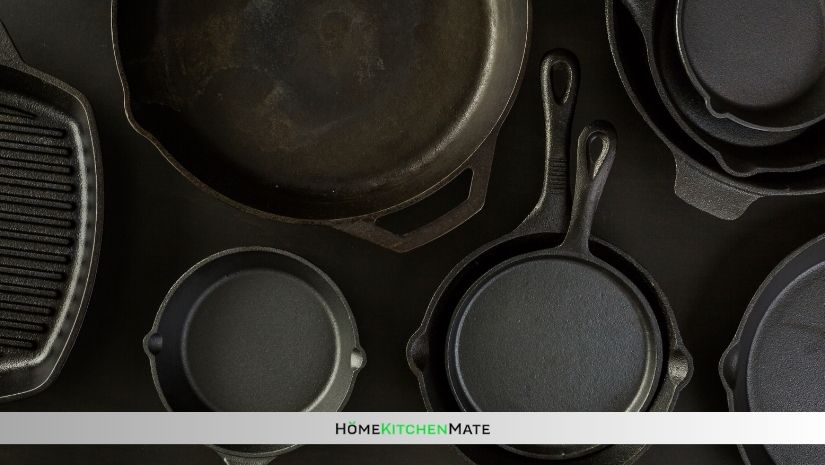
Have you ever wondered if your trusty cast iron skillet works well on an electric stove? You’re not alone.
Many people love cooking with cast iron because it heats evenly and lasts forever. But when it comes to electric stoves, questions pop up: Will the skillet heat properly? Could it damage your stove? If you want to get the most from your cookware without risking your stove, you need to know the facts.
Keep reading, and you’ll discover everything you need to confidently use your cast iron skillet on an electric stove—and cook meals that taste amazing every time.
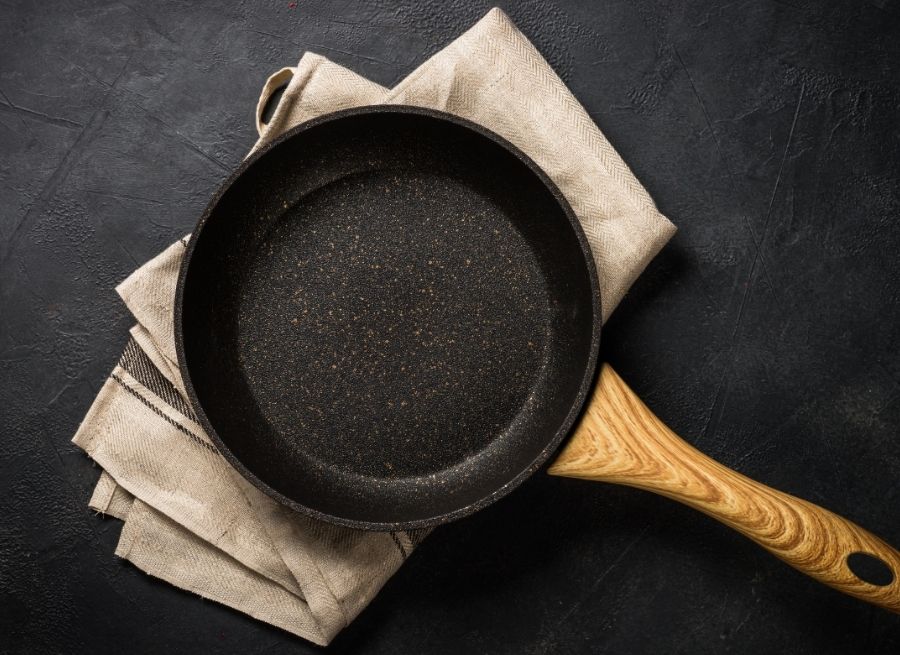
Cast Iron Skillet And Electric Stove Compatibility
Cast iron skillets are known for their durability and excellent heat retention, making them a favorite for many home cooks. But how well do they work with electric stoves? Understanding the compatibility between a cast iron skillet and an electric stove can help you cook more efficiently and avoid potential damage to your cookware or stove.
How Cast Iron Skillets Perform On Electric Stoves
Cast iron skillets heat evenly and hold heat for a long time, which is great for cooking on electric stoves. However, electric stove burners take longer to change temperature compared to gas flames. This means you need to be patient and adjust heat gradually to prevent overheating or uneven cooking.
Have you noticed your electric stove takes time to cool down? This residual heat can keep your cast iron skillet hot even after you turn off the burner. Use this to your advantage by turning off the stove a few minutes before your food is done.
Potential Challenges Using Cast Iron On Electric Stoves
One issue with cast iron on electric stoves is the skillet’s weight. The heavy pan can sometimes scratch or damage the smooth surface of glass-top electric stoves. To protect your stove, always lift the skillet instead of sliding it across the surface.
Another challenge is that cast iron can sometimes cause uneven contact with the flat electric burner, especially if the skillet’s bottom is warped or uneven. This may lead to hotspots and inconsistent cooking results. Check your skillet’s base and replace it if it’s no longer flat.
Tips To Maximize Cast Iron Use On Electric Stoves
- Preheat your cast iron skillet slowly to avoid thermal shock and warping.
- Use a diffuser plate if your electric stove has coil burners to distribute heat more evenly.
- Keep the bottom of your skillet clean and dry for better contact and heat transfer.
- Adjust heat settings gradually; cast iron retains heat well, so lower settings usually work better.
- Always lift the skillet to move it, protecting your stove surface.
Have you tried using a cast iron skillet on your electric stove? What adjustments did you find helpful? Share your experiences to help others cook smarter with this classic cookware.
Tips For Using Cast Iron On Electric Stovetops
Using a cast iron skillet on an electric stove can be a game changer for your cooking, but it requires a bit of care to get the best results. Cast iron holds heat well, which means it can take longer to heat up and cool down compared to other pans. Knowing how to handle this cookware on an electric stove helps you avoid common issues like uneven cooking or damaging your stovetop.
Preheat Your Skillet Slowly
Cast iron heats unevenly if you rush it. Turn your electric burner on low or medium heat and give the skillet time to warm up gradually. This prevents hot spots and reduces the risk of cracking or warping your pan.
Have you noticed your food sticking when you turn the heat too high too fast? Slowing down the preheat process can help avoid that problem.
Use Flat-bottomed Skillets For Better Contact
Electric stove coils need good contact with your pan to heat efficiently. Skillets with a flat bottom sit more evenly on the burner, improving heat transfer and cooking performance. If your cast iron has a warped or uneven base, it might not heat well, leading to uneven cooking.
Check the bottom of your skillet before using it. A flat base will save you time and frustration during cooking.
Adjust Heat As You Cook
Electric stoves retain heat longer than gas, so you rarely need to use the highest setting. Start with medium heat and adjust as needed to keep your food cooking evenly without burning. Remember, cast iron holds heat well, so small tweaks can make a big difference.
Have you ever burned your food because the heat was too high? Try lowering the temperature gradually and watch how your cooking improves.
Protect Your Stove Surface
Cast iron skillets are heavy and can scratch or chip your electric stove’s surface. Always lift your skillet rather than sliding it across the burner. You might want to place a silicone mat or protective pad between the skillet and the stove to prevent damage.
Taking a moment to handle your skillet carefully helps keep your stove looking new and working properly for years.
Clean And Season Regularly
Regular cleaning and seasoning keep your cast iron skillet non-stick and rust-free. After cooking, let it cool slightly, then wash with warm water and a soft brush or sponge. Dry it completely and apply a thin layer of oil to maintain the seasoning.
Do you enjoy crispy, easy-to-release food from your cast iron? Keeping it well-seasoned is key to that experience.
Maintaining Your Cast Iron On Electric Stoves
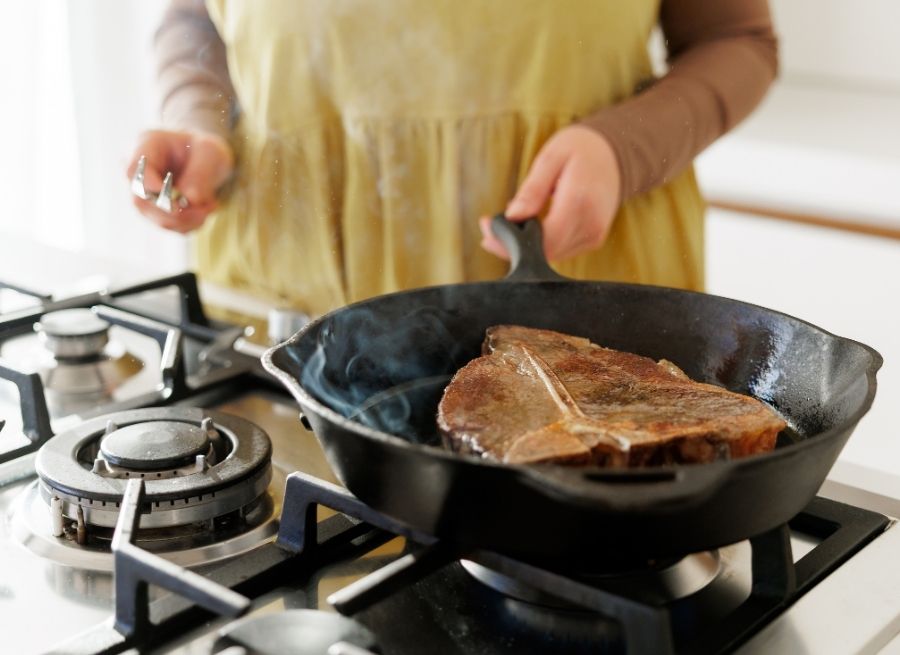
Maintaining your cast iron skillet on an electric stove is key to keeping it in top shape and ensuring it cooks evenly every time. Electric stoves heat differently than gas, so understanding how to care for your skillet under these conditions can extend its life and improve your cooking results.
Cleaning Without Damaging The Seasoning
After cooking, avoid soaking your cast iron in water. Instead, wipe it out with a paper towel or use a brush under warm water if needed. Harsh soaps or scrubbing pads can strip the seasoning, so keep your cleaning gentle but effective.
Adjusting Heat Gradually
Electric stoves take longer to change temperature, so start heating your skillet on low and increase the heat slowly. This prevents hotspots that can damage the seasoning and warp the pan. Have you noticed your skillet smoking or sticking? It might be from sudden temperature changes.
Regularly Re-seasoning Your Skillet
Even if you’re careful, seasoning wears down over time, especially on electric stoves where heat distribution varies. Apply a thin layer of oil to your skillet after every few uses and bake it at a high temperature to maintain that non-stick surface. It’s a simple step that keeps your skillet cooking like new.
Protecting Your Stove’s Surface
Cast iron is heavy and can scratch the smooth glass or ceramic tops of electric stoves. Always lift your skillet rather than sliding it across the surface. Using a silicone mat or stove protector can help prevent damage and keep your cooking area looking clean.
Monitoring Temperature To Avoid Warping
Because electric stoves heat slowly but hold heat for a while, overheating your cast iron is a risk. Keep an eye on the heat settings and avoid leaving the skillet empty on high heat for too long. Have you ever noticed your pan becoming uneven? This might be why.
Frequently Asked Questions
Can Cast Iron Skillets Damage Electric Stove Tops?
Cast iron is heavy and can scratch glass stove tops if moved roughly. Lift it carefully.
How To Use A Cast Iron Skillet On Electric Stoves?
Place the skillet gently on the burner. Heat it slowly to avoid warping.
Does Cast Iron Heat Evenly On Electric Stoves?
Cast iron holds heat well but heats slowly. It spreads heat evenly once hot.
Can Cast Iron Cause Electric Stove Burners To Crack?
Electric coils are sturdy and rarely crack from cast iron. Avoid dropping heavy pans.
Is It Safe To Use Cast Iron On Glass Electric Stoves?
It is safe but avoid sliding the skillet to prevent scratches on glass surfaces.
How To Clean Cast Iron After Using On Electric Stoves?
Clean with warm water and a brush. Dry well and oil lightly to prevent rust.
Conclusion
A cast iron skillet works well on an electric stove. It heats evenly and holds temperature for cooking. Just be careful lifting it, as it can be heavy. Avoid sliding the skillet to protect the stovetop surface. Clean and dry it properly after use to keep it in good shape.
Using cast iron on electric stoves can improve your cooking experience. With simple care, your skillet will last many years. Give it a try and enjoy tasty meals every day.

Rachel Bennett is a passionate home cook, kitchen enthusiast, and the voice behind Home Kitchen Mate. With years of hands-on experience experimenting in the kitchen, she blends creativity and practicality to make cooking easier and more enjoyable for everyone.