
Your refrigerator runs nonstop, but it doesn’t have to drain your energy bills. Imagine cutting costs every month without changing how you store your food.
You can easily save energy by making a few smart adjustments to how you use your fridge. Keep reading to discover simple tips that help your refrigerator work smarter, not harder—and put money back in your pocket.
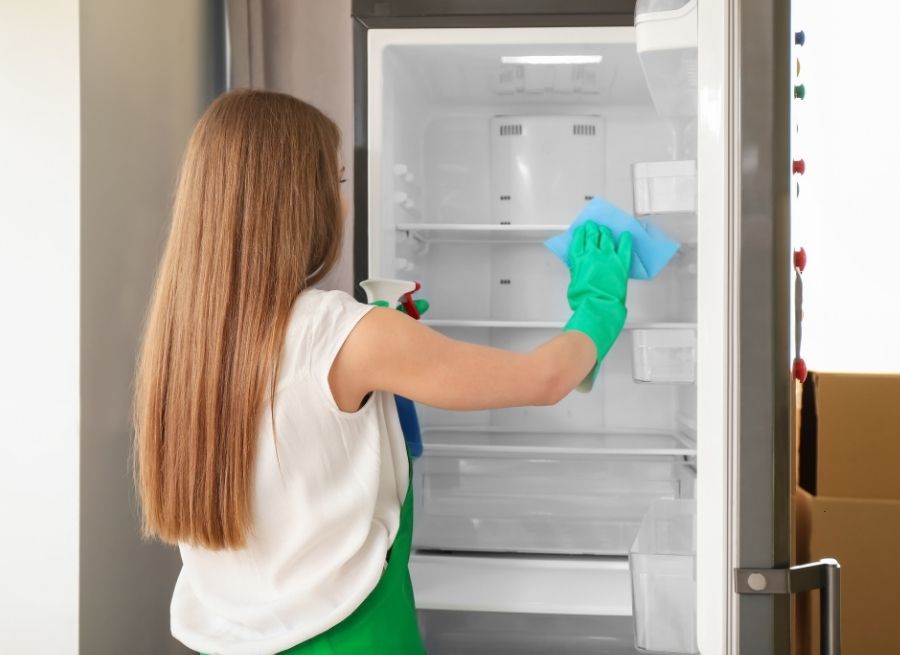
Choose An Energy-efficient Model
Choosing an energy-efficient refrigerator reduces electricity use and saves money. New models use less power but keep food fresh. Picking the right fridge helps cut energy waste and lowers utility bills. Focus on key features that improve efficiency and match your needs.
Look For Energy Star Labels
Energy Star labels show appliances meet strict energy rules. These fridges use less electricity than standard models. Choosing an Energy Star refrigerator means less energy use and lower bills. The label helps find efficient models quickly and easily.
Consider Size And Capacity
Pick a fridge size that fits your household size. Larger fridges use more energy. Small fridges work well for singles or couples, saving power. Families may need bigger models but avoid oversizing. Right size keeps energy use balanced with your needs.
Optimize Temperature Settings
Optimizing your refrigerator’s temperature saves energy and keeps food fresh longer. Setting the right temperature helps the appliance work less. This lowers your electricity bill and reduces wear on the fridge.
Small adjustments make a big difference. You do not need extreme cold settings to keep food safe. Proper temperature control balances energy use and food preservation.
Set Ideal Refrigerator Temperature
The ideal fridge temperature is between 37°F and 40°F. This range keeps food fresh without using extra energy. Colder settings make the fridge work harder. Warmer settings risk food spoiling faster.
Use a fridge thermometer to check the temperature. Adjust the dial slowly and wait 24 hours before checking again. This ensures the temperature stabilizes correctly.
Adjust Freezer Temperature
The freezer should be at 0°F for best energy use. Setting it colder wastes power without improving food safety. Warmer than 0°F can cause food to thaw and refreeze, which harms quality.
Like the fridge, use a thermometer to monitor the freezer temperature. Make small changes and give time for the temperature to settle.
Maintain Proper Door Usage
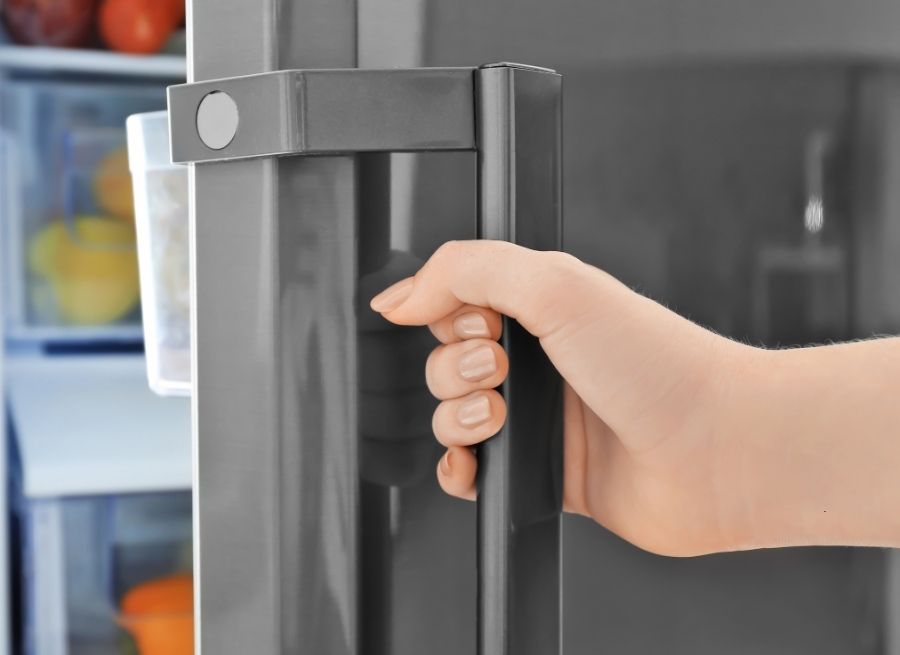
Proper door usage is key to saving energy with your refrigerator. Every time you open the door, cold air escapes. The fridge works harder to cool down again. This wastes electricity and raises your energy bill.
Small habits can make a big difference. Closing the door tightly and avoiding frequent openings help keep the cold air inside. This keeps food fresh and cuts energy use.
Limit Door Opening Frequency
Open the fridge door only when needed. Plan what you want before opening it. Quick checks reduce the time the door stays open. This stops cold air from escaping. The fridge runs less, saving energy.
Try to avoid standing with the door open. Grab all items at once. Close the door fast to keep the cold in.
Ensure Door Seals Are Intact
Check the door seals regularly. They block warm air from entering. Damaged or dirty seals let cold air out. This forces the fridge to use more energy.
Clean seals with warm, soapy water. Replace seals if they are cracked or loose. Proper seals keep your fridge efficient and cool.
Keep Coils Clean And Clear
Keeping your refrigerator’s coils clean and clear saves energy and boosts its life. Dirty coils make the fridge work harder. This uses more electricity and raises your bills. Simple coil care keeps the fridge cool and efficient.
Clean Condenser Coils Regularly
Condenser coils release heat from the fridge. Dust and dirt block this heat. This forces the fridge to use extra energy. Clean the coils every three to six months. Use a vacuum or a soft brush. Be gentle to avoid damage. Cleaning coils lowers energy use and improves cooling.
Maintain Adequate Ventilation
Air must flow freely around the coils. Crowding the fridge with furniture blocks airflow. Keep at least two inches of space around it. Good ventilation helps the fridge cool better. This reduces the energy needed to run. Check vents and remove any obstructions. Clear space means cooler coils and lower bills.
Organize Contents Efficiently
Organizing your refrigerator’s contents helps it work better and saves energy. A well-arranged fridge cools food evenly and uses less power. Simple steps inside your fridge can make a big difference.
Avoid Overloading The Fridge
Too much food blocks cold air from moving inside. This forces the fridge to work harder and use more energy. Keep only what fits comfortably on the shelves. Leave space between items for air to flow freely.
Allow Air Circulation Inside
Good air circulation keeps the temperature steady. Avoid packing items tightly against the walls or each other. Use clear containers to see contents quickly and reduce the time the door stays open. Proper airflow helps the fridge cool food faster and saves energy.
Manage Defrosting And Maintenance
Managing defrosting and maintenance helps your refrigerator run efficiently. It saves energy and keeps your food fresh. Regular care reduces the workload on your fridge. This lowers electricity use and extends the appliance’s life.
Simple steps can make a big difference. Pay attention to how and when you defrost. Also, schedule routine maintenance to catch problems early.
Defrost Manual Models Timely
Manual defrost refrigerators need regular defrosting. Ice buildup makes the fridge work harder. This uses more energy and can damage parts. Remove frost when it reaches a quarter-inch thick. Defrosting every few months keeps the fridge efficient.
Turn off the fridge and empty it before defrosting. Use a bowl of warm water or a fan to speed up melting. Never use sharp tools to scrape ice. After defrosting, clean and dry the inside well.
Schedule Routine Maintenance
Regular maintenance keeps your fridge in good shape. Clean the coils outside the fridge every six months. Dust and dirt on coils reduce cooling efficiency. Wipe door seals with a damp cloth to keep them tight. Loose seals let cold air escape, wasting energy.
Check the temperature inside your fridge often. Set it between 37°F and 40°F for the fridge, and 0°F for the freezer. This keeps food safe and energy use low. Call a technician if your fridge makes strange noises or stops cooling well.
Utilize Energy-saving Practices
Using energy-saving practices can lower your refrigerator’s power use. Small changes help reduce your electricity bill. They also extend the life of your appliance. Follow simple steps to keep your fridge running efficiently.
Focus on where you place your refrigerator and how you use its features. These actions save energy without extra effort.
Place Refrigerator Away From Heat Sources
Keep your fridge far from ovens, dishwashers, and direct sunlight. Heat makes the fridge work harder to stay cool. This increases energy use and wear on the appliance. A cooler spot helps your refrigerator use less power. Choose a shaded, ventilated area for better efficiency.
Use Energy-saving Modes If Available
Many refrigerators have energy-saving or eco modes. These settings reduce power consumption by adjusting cooling cycles. Use these modes to cut energy use without changing temperature settings. Check your manual to find and activate these features. Energy-saving modes work best when the fridge is not overloaded.
Frequently Asked Questions
How Can I Reduce Refrigerator Energy Consumption?
Keep the fridge temperature between 37-40°F and freezer at 0°F. Avoid frequent door openings and keep coils clean for efficiency.
Does Placing A Refrigerator Away From Heat Sources Save Energy?
Yes, placing your fridge away from heat sources like ovens or sunlight reduces energy use. It helps maintain a steady internal temperature.
How Often Should I Defrost My Refrigerator?
Defrost your refrigerator when ice buildup exceeds ¼ inch. This improves airflow and reduces energy consumption by preventing overworking.
Can Sealing Refrigerator Door Gaps Save Energy?
Yes, sealing door gaps prevents cold air leaks. Use a dollar bill test to check seals and replace worn-out gaskets promptly.
Conclusion
Saving energy with your refrigerator helps lower bills and protect the planet. Keep the door closed as much as possible. Set the temperature just right—not too cold. Clean the coils regularly to keep it working well. Don’t overload it, and let hot food cool before storing.
Small changes add up over time. Your efforts make a difference. Start today and enjoy a more energy-efficient home.

Rachel Bennett is a passionate home cook, kitchen enthusiast, and the voice behind Home Kitchen Mate. With years of hands-on experience experimenting in the kitchen, she blends creativity and practicality to make cooking easier and more enjoyable for everyone.