
Are you planning to move your refrigerator but wondering if it’s safe to lay it down during transport? You might think it’s no big deal to simply tip it on its side or back, but doing so could cause serious damage.
Your fridge is more delicate than it looks, and a wrong move now could mean costly repairs later. You’ll discover the truth about laying your refrigerator down, what risks to watch out for, and the best way to transport it safely.
Keep reading to protect your appliance and avoid unexpected headaches.
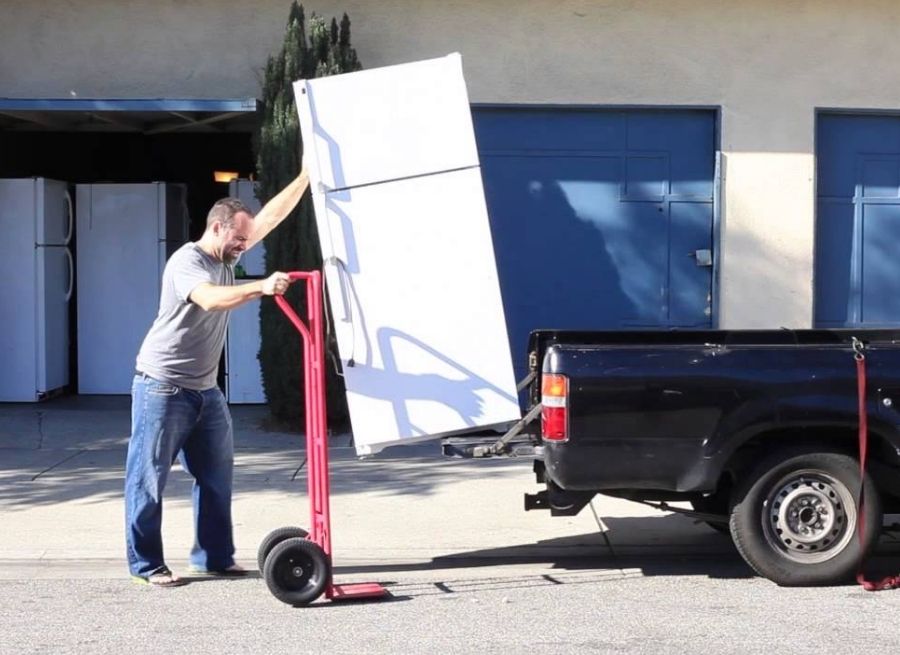
Risks Of Laying A Refrigerator Down
Laying a refrigerator down during transport can cause several risks. It affects the internal parts and the fridge’s overall function. Understanding these risks helps protect your appliance.
Potential Damage To Compressor
The compressor pumps refrigerant through the system. Laying the fridge flat can cause oil inside the compressor to move. This leads to poor lubrication. Lack of lubrication can cause the compressor to fail. Repairing or replacing a compressor is costly and complicated.
Effect On Refrigerant And Oil
Refrigerant and oil inside the fridge are designed to stay separate. When the fridge is on its side, these fluids mix. This mixing can block the cooling system pipes. Blockages reduce cooling power and can cause damage. The fridge might need professional service to fix this issue.
Impact On Cooling Efficiency
Moving a refrigerator horizontally can affect its cooling ability. The fluids inside may not settle properly for hours or days. The compressor might overwork trying to cool the fridge. This overwork can increase electricity use and wear out parts faster. Cooling may be uneven or insufficient after transport.
Safe Methods For Transporting Refrigerators
Transporting a refrigerator requires care to avoid damage. Choosing the right method helps keep the appliance safe and working properly. Proper handling can prevent costly repairs and maintain the fridge’s efficiency. Understanding safe ways to move a refrigerator is essential for any relocation.
Recommended Upright Position
Always transport a refrigerator in an upright position. This keeps the compressor oil where it belongs. Tilting or laying it flat can cause oil to flow into the cooling lines. This leads to blockages and compressor damage. Use a dolly or hand truck to keep it steady. Secure the fridge to prevent tipping during transit.
If Laying Down Is Unavoidable
Sometimes space or vehicle size forces laying the fridge down. Choose the side specified by the manufacturer. Usually, this is the side opposite the compressor. Avoid laying the fridge on the front or back. Keep it horizontal for the shortest time possible. Once upright, wait at least 24 hours before plugging it in. This allows the oil to settle back in place.
Proper Securing And Padding
Secure the refrigerator tightly inside the vehicle. Use straps or ropes to prevent movement. Add padding around the fridge to protect the surface. Blankets, foam, or cardboard work well. Avoid direct contact with hard surfaces to prevent dents. Check the fridge regularly during transport to ensure it stays stable.
Steps To Take After Transport
After transporting a refrigerator, taking the right steps is essential. These steps protect your appliance and make sure it works well. The process focuses on waiting, inspecting, and testing the unit.
Waiting Period Before Powering On
Allow the refrigerator to stand upright for some time. This waiting time lets the oil inside the compressor settle. Skipping this wait may cause damage to the compressor. Generally, a wait of 4 to 6 hours is good. For longer transports, wait up to 24 hours. This pause prevents mechanical problems.
Checking For Leaks Or Damage
Look over the refrigerator carefully after moving it. Check the back and bottom for any signs of leaks. Inspect door seals and hinges for damage. Make sure no parts are loose or broken. Detecting problems early can avoid bigger repairs. Use a flashlight to see clearly in dark areas.
Ensuring Proper Functionality
Plug the refrigerator in and listen for unusual sounds. Check if the compressor and fans start properly. Test the temperature settings to ensure cooling works. Monitor it for a few hours to confirm steady operation. Keep the doors closed during this time. Proper function means your fridge is ready to use.
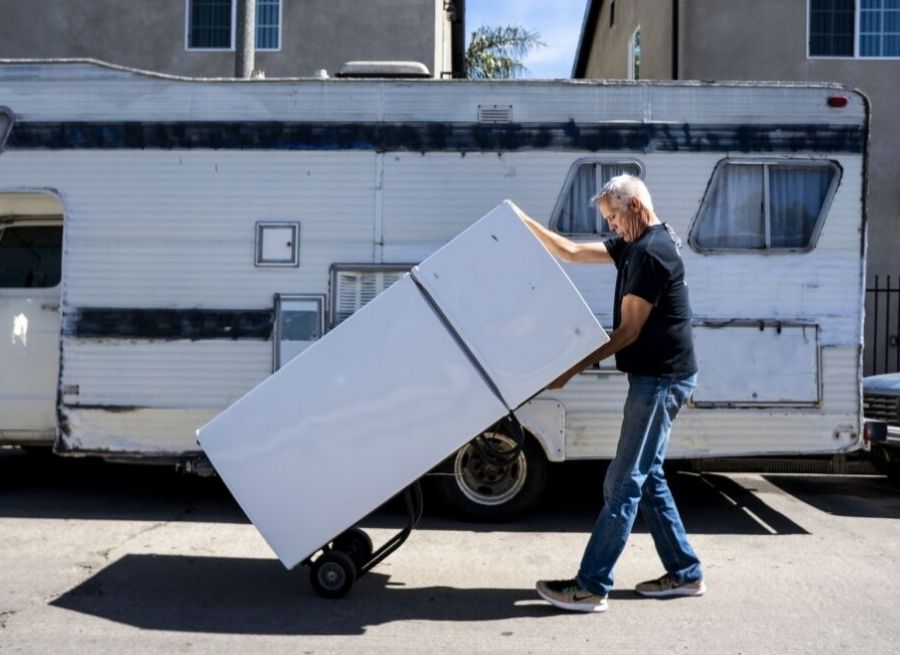
Frequently Asked Questions
Can You Lay A Refrigerator Down For Moving?
Yes, but it must be on its side carefully to avoid compressor damage.
How Long Should A Fridge Rest After Laying It Down?
Wait at least 4 to 6 hours before plugging it in again.
What Happens If A Fridge Is Transported Lying Down?
Oil can flow into the cooling tubes, causing blockages or damage.
Is It Safer To Transport A Fridge Upright?
Upright transport is best to protect the compressor and internal parts.
Can Damage Occur If A Fridge Is Laid On The Wrong Side?
Yes, laying it on the wrong side can cause oil to leak inside.
How To Prepare A Fridge Before Transporting It Lying Down?
Empty it, secure doors, and let it sit upright before powering on.
Conclusion
Transporting a refrigerator requires care. Laying it down can cause damage inside. Always try to keep it upright during moves. If you must lay it down, wait before plugging it in. This helps the oils settle back inside. Protect the fridge with blankets or padding.
Take your time and plan the move well. Doing this keeps your refrigerator working longer. Safe transport means fewer repairs later. Remember, careful handling pays off every time.

Rachel Bennett is a passionate home cook, kitchen enthusiast, and the voice behind Home Kitchen Mate. With years of hands-on experience experimenting in the kitchen, she blends creativity and practicality to make cooking easier and more enjoyable for everyone.