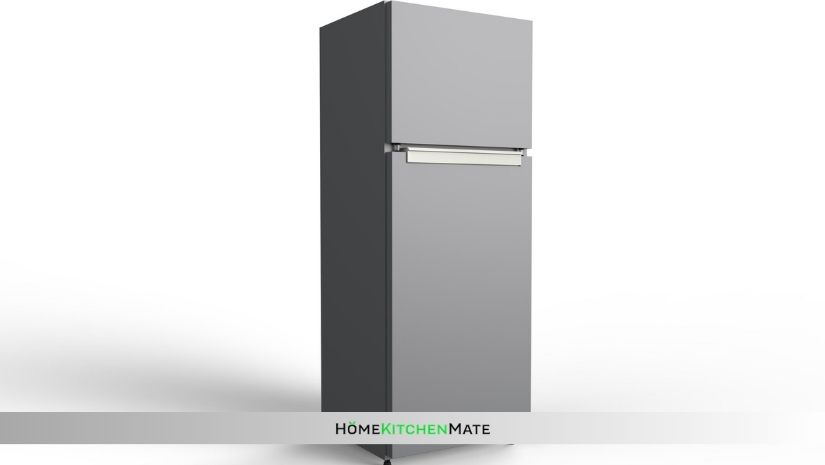
Have you ever wondered how much electricity your refrigerator actually uses? Knowing how many watts it takes to run your fridge can help you save money and reduce your energy bills.
It’s not just about numbers—it’s about understanding your home’s energy needs and making smarter choices. You’ll discover the facts behind your refrigerator’s power consumption, how to measure it, and tips to keep your energy use low. Keep reading to take control of your energy costs and make your fridge work smarter for you.

Refrigerator Power Basics
Understanding how much power a refrigerator uses is key to managing energy bills. Refrigerators use electricity to keep food fresh and safe. Knowing their power needs helps in choosing the right model and using it efficiently.
Average Wattage Range
Most refrigerators use between 100 and 800 watts. Smaller models tend to use less power. Larger or older models usually consume more. On average, a standard fridge runs at about 400 watts while cooling.
Power use varies during operation. It spikes when the compressor starts. Then it drops to a lower level during steady running. This cycle repeats throughout the day.
Factors Affecting Power Use
- Size:Bigger refrigerators need more electricity.
- Age:Older fridges are less energy efficient.
- Temperature settings:Lower temperatures increase power use.
- Usage:Opening the door often uses extra energy.
- Location:Placing a fridge near heat sources raises consumption.
- Model and technology:Energy Star rated models save power.
Measuring Refrigerator Energy Use
Understanding how much energy your refrigerator uses can help you manage your electricity bills better and make smarter choices about your home appliances. Measuring this energy use isn’t as complicated as it sounds. With some simple tools and a little math, you can find out exactly how many watts your fridge consumes.
Using A Power Meter
A power meter is one of the easiest ways to measure your refrigerator’s energy use. You simply plug the meter into the outlet and then plug your fridge into the meter.
The device records the watts your fridge draws over time. Some meters even provide data on voltage, current, and total kilowatt-hours used.
When I first used a power meter, I was surprised to see how much power my old fridge consumed during its cooling cycles. It gave me a clear picture that helped me decide when to upgrade to a more energy-efficient model.
Calculating Daily Consumption
If you don’t have a power meter, you can estimate your fridge’s daily energy use with a bit of calculation. Start by finding the wattage of your refrigerator, usually listed on a label inside or at the back.
Multiply this wattage by the number of hours the fridge runs each day. Since refrigerators cycle on and off, a typical fridge runs about 8 hours daily, but this varies based on usage and model.
For example, if your fridge uses 150 watts and runs for 8 hours, your daily consumption is:
| Calculation | Result |
|---|---|
| 150 watts × 8 hours | 1,200 watt-hours (or 1.2 kWh) |
How often have you wondered if your fridge is silently driving up your electricity bill? Tracking its energy use gives you the power to make informed decisions about your home energy consumption.
Energy-saving Tips
Saving energy with your refrigerator reduces electricity bills and helps the environment. Small changes can make a big difference in power use. Focus on smart choices and good habits to keep your fridge running efficiently.
Choosing Energy-efficient Models
Look for refrigerators with the ENERGY STAR label. These models use less power and cool better. Modern fridges with inverter compressors adjust energy use to save watts. Choose the right size for your needs. Bigger fridges use more energy, so avoid extra space.
- Pick models with good insulation to keep cold air in.
- Check the EnergyGuide label for estimated yearly electricity use.
- Opt for top or bottom freezer designs for better efficiency.
- Consider fridges with LED lighting that uses less energy.
Maintenance For Lower Consumption
Clean your fridge regularly to keep it working well. Dust on coils makes the compressor work harder. Defrost manual models to avoid ice buildup that wastes power. Keep the door seals tight to stop cold air from escaping.
- Vacuum condenser coils every six months to remove dust.
- Check door gaskets for cracks or damage; replace if needed.
- Set the temperature between 37°F and 40°F for the fridge.
- Keep the freezer at 0°F for optimal cooling without extra energy.
- Don’t leave the door open longer than necessary.

Frequently Asked Questions
How Many Watts Does An Average Refrigerator Use?
An average refrigerator uses about 100 to 800 watts depending on size and model.
Does Refrigerator Wattage Change When It Starts?
Yes, starting wattage can be 2 to 3 times higher than running wattage.
How Can I Find My Refrigerator’s Wattage?
Check the label inside the fridge or the user manual for wattage info.
Do Energy-efficient Refrigerators Use Fewer Watts?
Energy-efficient models use fewer watts, saving electricity and lowering power bills.
How Long Can A Refrigerator Run On A 1000-watt Generator?
A 1000-watt generator can run most refrigerators continuously without issue.
What Affects A Refrigerator’s Power Consumption The Most?
Size, age, temperature setting, and how often the door opens affect power use.
Conclusion
Running a refrigerator usually takes between 100 and 800 watts. The exact number depends on the size and model. Energy-efficient fridges use fewer watts and save money. Knowing the wattage helps plan your electricity use well. It also helps if you use a generator or solar power.
Keep your fridge well-maintained for better performance. Small steps can lower your energy bills. Understanding watt use makes household energy easier to manage.

Rachel Bennett is a passionate home cook, kitchen enthusiast, and the voice behind Home Kitchen Mate. With years of hands-on experience experimenting in the kitchen, she blends creativity and practicality to make cooking easier and more enjoyable for everyone.